
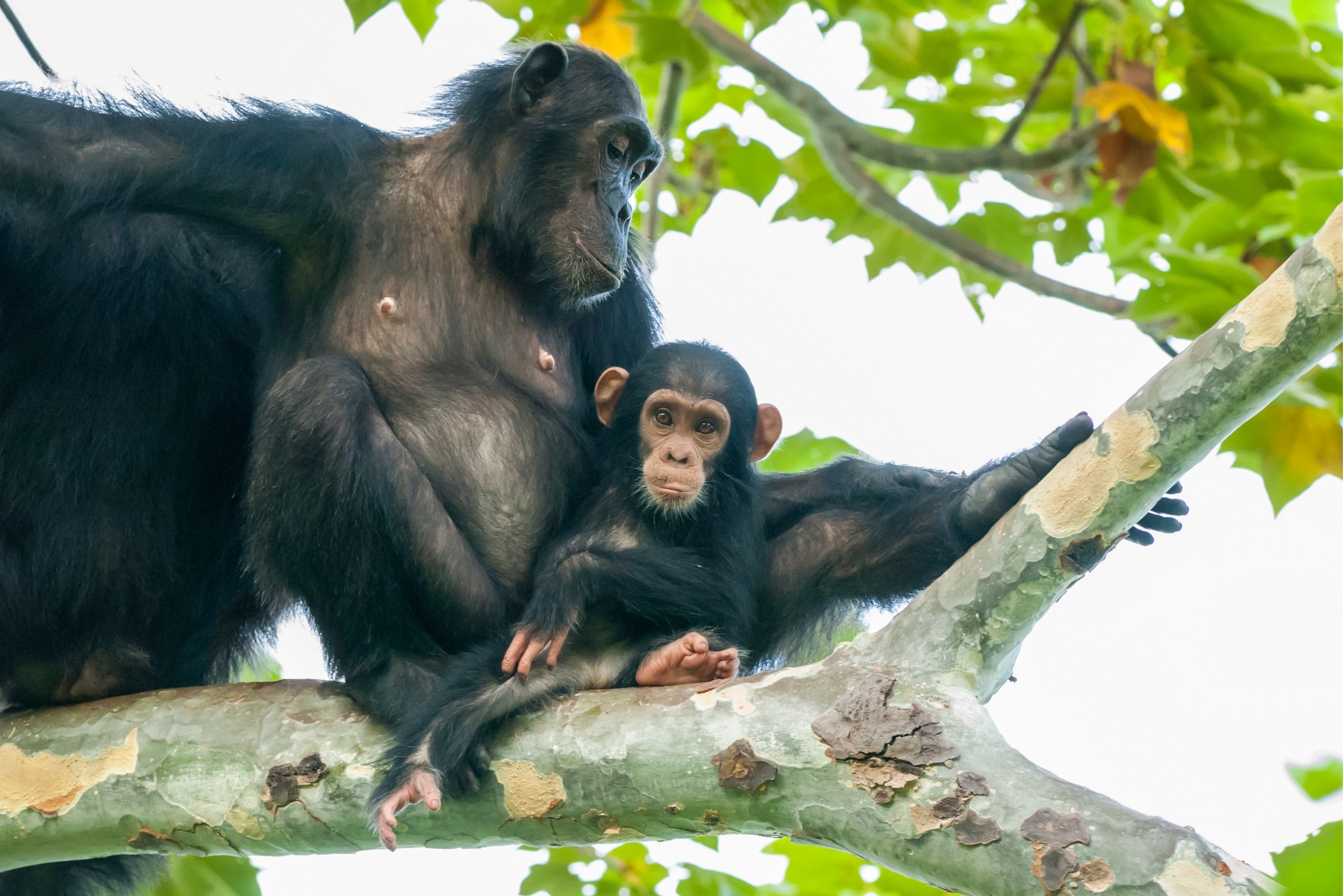
Filming tours in Gombe Stream National Park: Gombe Stream National Park is a National Park in the Kigoma district of Kigoma region in Tanzania, about 16km north of Kigoma, the capital city of Kigoma region. The park was established in 1968. It is one of the smallest national parks in Tanzania, with only 35 sq. km of protected land along the hills of the eastern shore of Lake Tanganyika. The park encompasses steep valleys and the vegetation ranges from grassland to woodland to tropical rainforest. This fascinating park can be accessed only by boat. The park is most famous as the location where Jane Goodall pioneered her behavioural research on the common Tanzanian chimpanzee populations. The Kasakela chimps’ community, featured in several books and documentaries, lives in Gombe National Park.

Besides chimpanzees, primates inhabiting Gombe Stream National Park include beachcomber olive baboons, red colobus, red-tailed monkeys, blue monkeys, and vervet monkeys. Red-tailed monkeys and blue monkeys have also been known to hybridise in the area. The park is also home to over 200 bird species and bushpigs. There are also many species of snakes, and occasional hippos and leopards. The park’s diverse flora includes lush forests of mahogany and cedar trees, offering vital habitats for countless species.
For those who are interested in capturing the beauty of Gombe Stream National Park on film, there are several Tanzania tour companies that offer filming tours socially tailored to accommodate the needs of filmmakers and photographers. These Tanzania tours provide tourists with the opportunity to get up close and personal with the wildlife while ensuring that they have the necessary tools and expertise to capture stunning footage and images.
Gombe National Park is the best destination and home to rare chimps. The chimps of Gombe National Park are fully acclimated. This means that the film crew members will not have any problems filming the Gombe chimpanzees because they are fully accustomed to the people. Filming the chimpanzees in the park will require you to go with an experienced guide, and you will follow the established trail to be able to film and enjoy the best filming moments of the chimpanzees.
Chimpanzees and humans share 98% of their genes, and there is no scientific knowledge required to distinguish between the various repertoires of pants, hoots, and screams that define the celebrities, powerbrokers, and supporting characters. Perhaps you’ll notice a glint of recognition when you look into a chimp’s eyes, which are assessing you in return.
Additionally, the park is home to a wide variety of other wildlife, including Baboons, Colobus monkeys, diademed monkeys, Red-tailed monkeys, Elephants, Lions, Duikers, Bush pig, monitor lizards, snake’s waterbuck, barbet, palm-nut vulture, Forbes’ plover, African fish eagle, and Peters’ twin, providing plenty of opportunities for stunning wildlife photography.
Filming tours in Gombe Stream National Park typically involve guided hikes through the park, led by experienced local guides who are knowledgeable about the area and its wildlife. These guides can help visitors identify the Tanzania chimpanzees and other wildlife, as well as provide valuable insights into their behaviour and biology. Additionally, many tour companies provide visitors with specialised equipment, such as range lenses and stabilisers, to help ensure that they capture the best possible footage.
In addition to the wildlife, Gombe Stream National Park is also home to some truly breathtaking scenery. The park is situated along the shores of Lake Tanganyika, one of the largest and oldest lakes in the world, and offers stunning views of the water and surrounding mountains. Filmmakers and photographers will have plenty of opportunities to capture the beauty of the land landscape, whether it’s the lush forest, crystal-clear waters, or a dramatic sunset over the lake.
What types of film permits are required for filming tours in Gombe Stream National Park?
To film in Gombe Stream National Park, you will need to obtain permits from the Tanzania National Parks Authority (TANAPA). These permits will vary depending on the type of filming you plan to do, whether it be for a documentary, commercial, or other purposes. It is important to apply for these permits well in advance of your filming dates to ensure that you have all the necessary permissions in place.
Are there any restrictions on filming in Gombe Stream National Park?
While filming in Gombe Stream National Park is allowed, there are some restrictions that filmmakers must adhere to. These restrictions may include guidelines on the distance at which you can film animals, restrictions on the use of drones, and guidelines on how to interact with the wildlife in the park. It is important to familiarise yourself with these restrictions before beginning your filming safaris in the park.
Can I hire local guides or trackers for my filming tours in Gombe Stream National Park?
Yes, hiring local guides or trackers is highly recommended when filming in Gombe Stream National Park. These knowledgeable individuals can help you navigate the park, locate wildlife, and provide valuable insights into the behaviour of the animals you are filming. Local guides and trackers can also enhance the safety of your filming tour by guiding how to interact with the wildlife responsibly.
What is the best time of year to film in Gombe Stream National Park?
The best time of year to film Gombe Stream National Park is during the dry season, which typically runs from June to October. During this time, the weather is sunny and dry, making it ideal for filming activities. Additionally, the dry season is a great time to spot wildlife as animals tend to gather around water sources. However, it is important to note that chimpanzee tracking is available year-round in the park.
What equipment should I bring for my filming tour in Gombe Stream National Park?
When filming in Gombe Stream National Park, it is important to bring the necessary equipment to capture high-quality footage. This may include a high-definition camera, a tripod, a stabiliser, and additional lenses for different shooting conditions. It is also advisable to bring backup batteries, memory cards, and protective gear for your equipment, as the park can be rugged and unpredictable.
Contact our trusted tour operators for more information and inquiries about Filming tours in Gombe Stream National Park, and then book with tours and travel companies such as Focus East Africa Tours, which offer the best tour packages while on your filming safari in Tanzania.
Conclusion
Going on a filming excursion to Gombe Stream National Park will give you an unparalleled experience of filming in one of Africa’s most famous wildlife destinations. From the rainforest on the shores of Lake Tanganyika to the up-close observations of chimpanzees and other primate species, each moment inspires filmmakers to film the place where nature is at its finest.
Whether for an informed filmmaker, wildlife photographer, or zealous traveller, Gombe’s spectacular biodiversity and dramatic landscape provide an unparalleled chance for describing and filming a magnificent story. In consultation with knowledgeable rangers and the people who know the area best, a filming excursion provides confidence for your safety, your best option for viewing animals in the wild, and your duty to objective, ethical, and responsible filming.
Filming Gombe Stream is not just about visually recording images, but rather an opportunity to experience and conserve the spectacle of one of Africa’s great ecosystems. The images and frames you get tell a story of adventure, exploration, and crisis in the fragile balance of life in forests.

