
Nature walks safaris at Nyerere National Park: Nyerere National Park which was formerly known as Selous Game Reserve, is the largest Game Reserve in Tanzania and it is a protected area covering about 30,893 square kilometers. Selous was at first a series of National Parks that were made a protected area in the year 1896 but in 1905, it became a hunting reserve for all who wanted to enjoy the hunting game. It was named Nyerere after a British adventurer Fredrick Nyerere who died during World War I. After his death, all the small game reserves around were combined by the British colonialists to form the current Nyerere National Park.

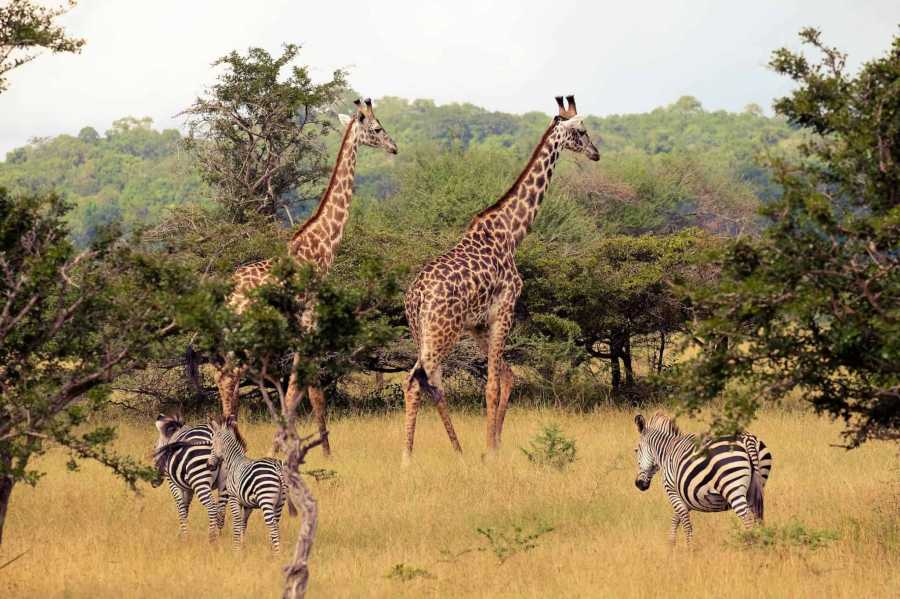
The Nyerere National Park is one of the least visited places in Tanzania and this makes it the perfect place for tourists who want to enjoy the big 5 and other wildlife species without the large crowds such as buffaloes, Masai giraffes, lions, leopards, wild dogs, black rhinos, Thomson’s gazelle, spotted hyenas, wildebeest, plain zebras, impalas, as well as many reptiles, amphibians, fish and invertebrates among others. It has a diversity of vegetation especially the famous Miombo woodland, lots of wildlife, and over 400 bird species that can all be viewed in their natural habitats.
The National Park is one of the few places in Tanzania that you can explore with both a game drive and a boat ride. The National Park is very safe for a safari but you must follow all the guidelines that are put in place by the tour guide, you can spend as many days as you want for as long as you can afford it and you can join your safari to Nyerere with other destinations in the country.
One of the best ways to explore the park and experience its beauty up close is by taking a nature walk. Guided by knowledgeable rangers, visitors can hike through the park’s lush forests, meander along its winding rivers, and traverse its open savannahs. A nature walk safari can also be termed as a bush walk refers to an adventure where people engage in a guided walk through the park with the main aim of seeing the animals and birds in a more relaxed manner without using vehicles.
There are two types of nature walk safaris that are carried out in Nyerere National Park. That’s to say, walking safaris inside the National Park normally start from the different camps that are found in the park and they are done in the mornings and the late afternoons. The walks within the park will take about 45 minutes to 1 hour and within this time you will get the chance to see the wildlife and the vegetation within the park.
Nature walk safaris in the park can also carried out outside the national park and are much longer compared to the ones that are carried out inside the park. These will take about 2 to 3 hours and you will cover a distance of either 9 or 15 kilometers per person. There are different routes that you can use on this walk and with the help of a tour guide the distance will be covered with a lot of information shared about the National Park
One of the most popular walking trails in Nyerere National Park is the Rufiji River Walk. This picturesque trail follows the banks of the Rufiji River, providing walkers with the opportunity to see a wide variety of wildlife including crocodiles, hippos, elephants, and numerous bird species. The tranquil waters of the river, combined with the lush vegetation and dramatic cliffs, creates a truly immersive experience for visitors.
Another favorite among visitors is the Mikumi Plateau Walk. This trail takes hikers through the park’s rolling hills and grasslands, offering astonishing views of the surrounding landscape. Along the way, you will have the chance to encounter a variety of wildlife such as lions, leopards, buffalo, elephants, rhinos, giraffes, impalas, wildebeest, plain zebras, wild dogs, bush pigs, and others. The diversity of the ecosystem makes this walk particularly rewarding as each step brings a new and exciting discovery.
Depending on where the nature walks will be conducted, it is possible to see plenty of wildlife not to mention a rich diversity of Birds, flora, and fauna. Walks are done by experienced and trained guides, and these guides often happen to be local people who have the advantage of being born and bred in the very region that you are exploring. Walking safaris while generally very safe, still do carry an element of risk to the participants as the areas you are exploring are actually the territory of the local wildlife and by being on foot you essentially place yourself on a level footing with these animals, which may range from Elephant & Buffalo to Lion, Leopard and Cheetah.
For those seeking a more immersive experience, overnight nature walks are also available in Nyerere National Park. visitors can spend the night in a remote campsite, surrounded by the sights and sounds of the African wilderness. As they fall asleep under a canopy of stars, they may be serenaded by the calls of nocturnal animals or the rustling of leaves in the breeze.
Other activities to do in Nyerere National Park
Boat cruise
Experience the serenity of Nyerere National Park with a captivating boat cruise along the Rufiji River, witness the enchanting landscape, indulge in birdwatching, and marvel at the diverse wildlife along the banks. This leisurely exploration offers unique perspectives of the park’s rich ecosystem and unforgettable sunsets over the waters,
Game drives
Embark on exhilarating game drives across Nyerere National Park’s vast savannas, where you can spot the Big Five and myriad other wildlife. Expert guides will enhance your experience, providing insights into animal behavior and park conservation. Each drive reveals stunning landscapes and thrilling moments in the heart of nature.
Cultural visits
Enhance the tour of Nyerere National Park experience with a cultural visit to nearby communities. Engage with locals to learn about their customs, traditions, and daily life. During your cultural visits, you will have the chance to participate in a number of cultural activities such as traditional dances, crafts, and stories, fostering connections and understanding. These cultural exchanges enrich your safaris, providing a deeper appreciation of Tanzania’s rich heritage.
Fishing trips
Nyerere National Park is home to a variety of freshwater fish species, making it a popular destination for fishing enthusiasts. Visitors can embark on guided fishing trips along the park’s rivers and lakes, trying their luck at catching species such as tigerfish and catfish. Fishing trips provide a relaxing and rewarding way to enjoy the park’s natural surroundings and wildlife.
Birdwatching
Nyerere National Park is a paradise for birdwatchers, with over 450 bird species recorded in the park. During your birdwatching tours, you will have the chance to spot birds such as mangrove kingfishers, Boehm’s bee-eater, Livingstone’s flycatcher, green-caped eremomela, yellow-bellied bulbul, white helmet shrikes, wattle eyed flycatcher, red throated twin spot, grey-hooded kingfisher, black cuckoo-shrike, African skimmer, red-winged warbler, spotted flanked barbet and red-billed helmetshrike among others.
When to go for a nature walk Nyerere National Park
The best time to go for a nature walks in Nyerere National Park is during the dry season, which typically runs from December to February and June to October. During this time, the weather is more pleasant with less rainfall, making it easier to explore the park on foot. Additionally, wildlife is more active during the dry season, giving you a better chance of spotting animals during your hike. Is a also important to note that temperatures can be quite high during the dry seasons, so it is recommended to carry plenty of water and sunscreen.
Accommodation safari for visitors while on nature walks in Nyerere National Park
Visitors while on nature walks and hikes safari in Nyerere National Park shouldn’t worry about where to stay. The park has a variety of accommodation facilities to cater to all levels of visitors while on their nature walk and hike safari in the park. These stunning facilities include Azura Selous, Maji Moto, Mivumo River Camp, Selous Serena Camp, Kiba Point Safari Lodge the Impala Tented Camp, Mbuyu Safari Camp, Siwandu Camp, Sand Rivers Selous, Lake Manze Tented Camp, Sable Mountain Lodge and Beho Beho Lodge, among others.

